
Quick Answer: Most clogged or slow drains are caused by buildup narrowing the pipe. Hair and soap are common in bathroom drains, grease and food are common in kitchen drains, and wipes or other materials often cause toilet clogs. If several drains become slow at the same time, the blockage may be in the home’s main sewer line.
Standing in ankle-deep shower water or waiting forever for a slow draining sink to empty is one of those home problems that starts small, then suddenly feels impossible to ignore. The good news is that most clogged drain causes are pretty predictable. In many homes, it comes down to a handful of repeat offenders: hair, grease, soap scum, food debris, wipes, or in more serious cases, roots in the sewer line.
In plain terms, drains usually clog because something is building up inside the pipe and narrowing the path for water. In kitchens, that is often grease and food. In bathrooms, it is usually hair, toothpaste, and soap residue. In toilets, wipes and hygiene products are common culprits. If more than one drain is acting up at the same time, the issue may be deeper in the main sewer line, not just in one fixture.
Need fast relief from a clogged drain? AYS Plumbing & Rooter provides drain cleaning in Upland, CA and surrounding areas, including camera inspections and hydro jetting when a simple clog turns out to be something bigger.
What Causes Drains to Clog?
What Causes a Kitchen Sink to Drain Slowly?
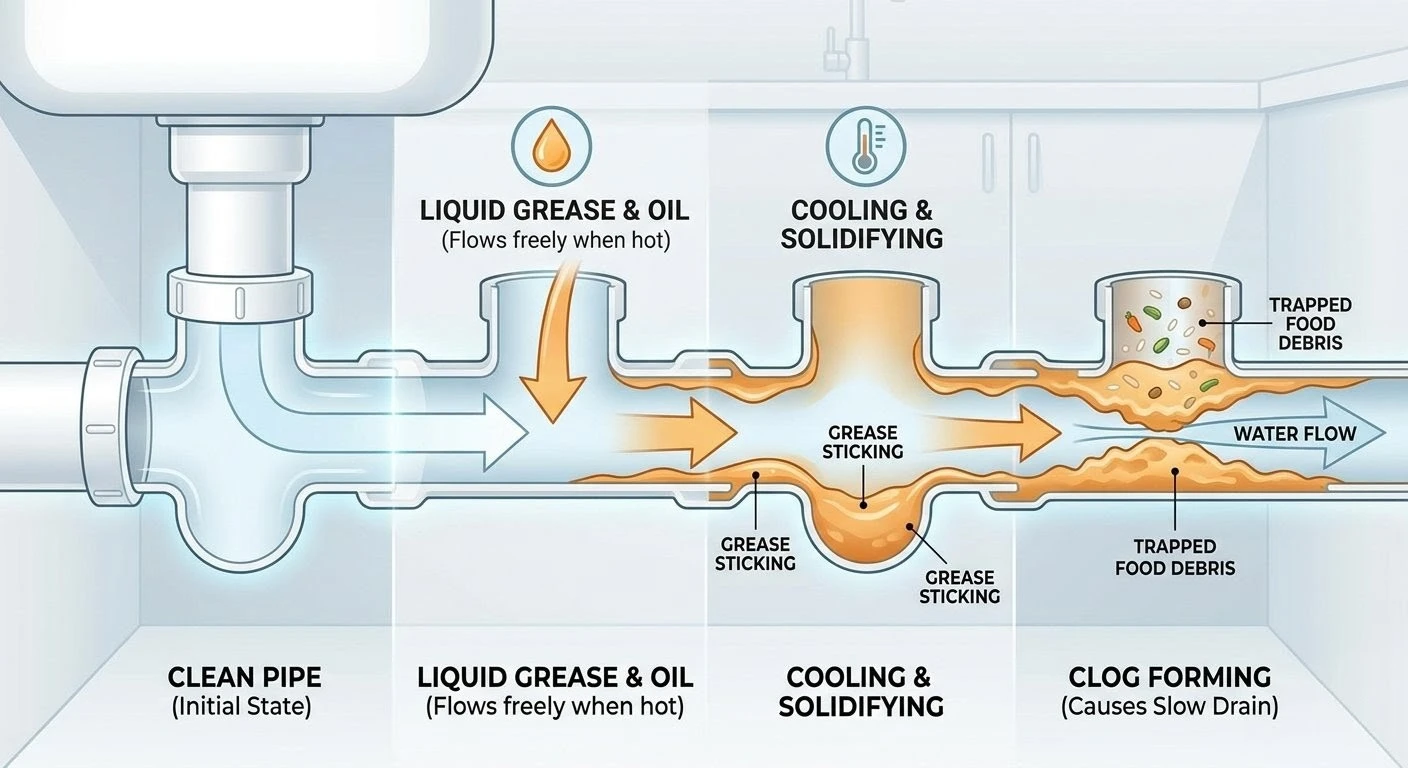
Kitchen drains deal with a messy mix of grease, oil, food scraps, coffee grounds, and starchy leftovers. Grease is one of the biggest issues because it may go down as a liquid, then cool, stick to the pipe walls, and trap more debris over time. That is why a kitchen sink may start draining a little slower each week until one day it barely drains at all.
Garbage disposals can make this worse when they are treated like a trash can. Rice, pasta, eggshells, fibrous vegetables, and coffee grounds may seem small, but they can collect in the trap or farther down the line. If your kitchen sink gurgles, smells bad, or backs up when the dishwasher runs, there is a good chance buildup is forming where you cannot see it.
Why Is My Bathroom Sink or Shower Draining Slowly?
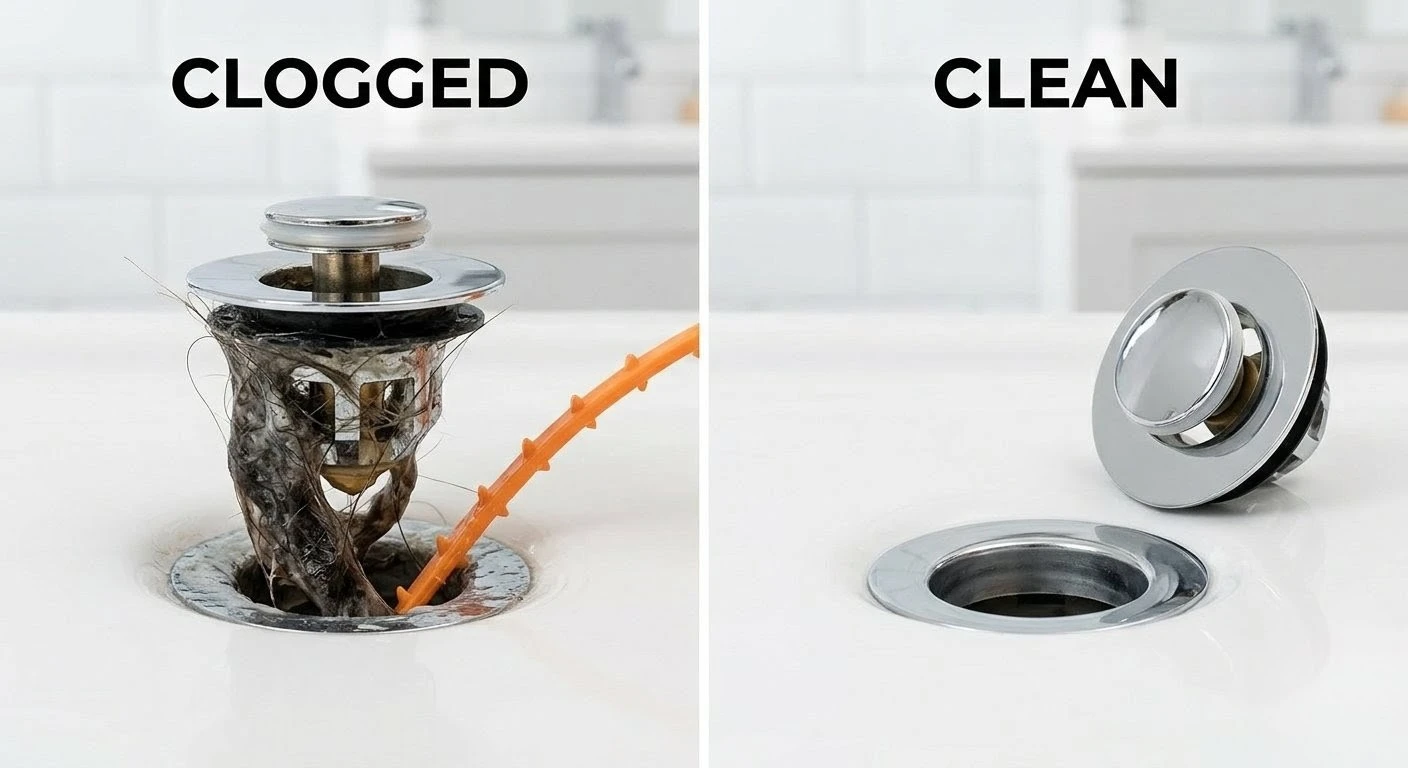
Bathroom drains usually clog for a simpler reason: hair plus soap scum. Hair catches around the stopper or just below the drain opening, then toothpaste, shaving residue, and soap stick to it and create a thick, stubborn mess. This is one of the most common reasons for a slow draining sink or tub.
A shower or bathroom sink that drains slowly at first is often giving you an early warning. Cleaning the stopper, pulling out visible hair, or using a simple drain zip tool can help with very minor clogs near the top of the drain. But if the water keeps returning, the blockage is likely deeper than a quick surface fix can reach.
What Causes a Toilet to Keep Clogging?
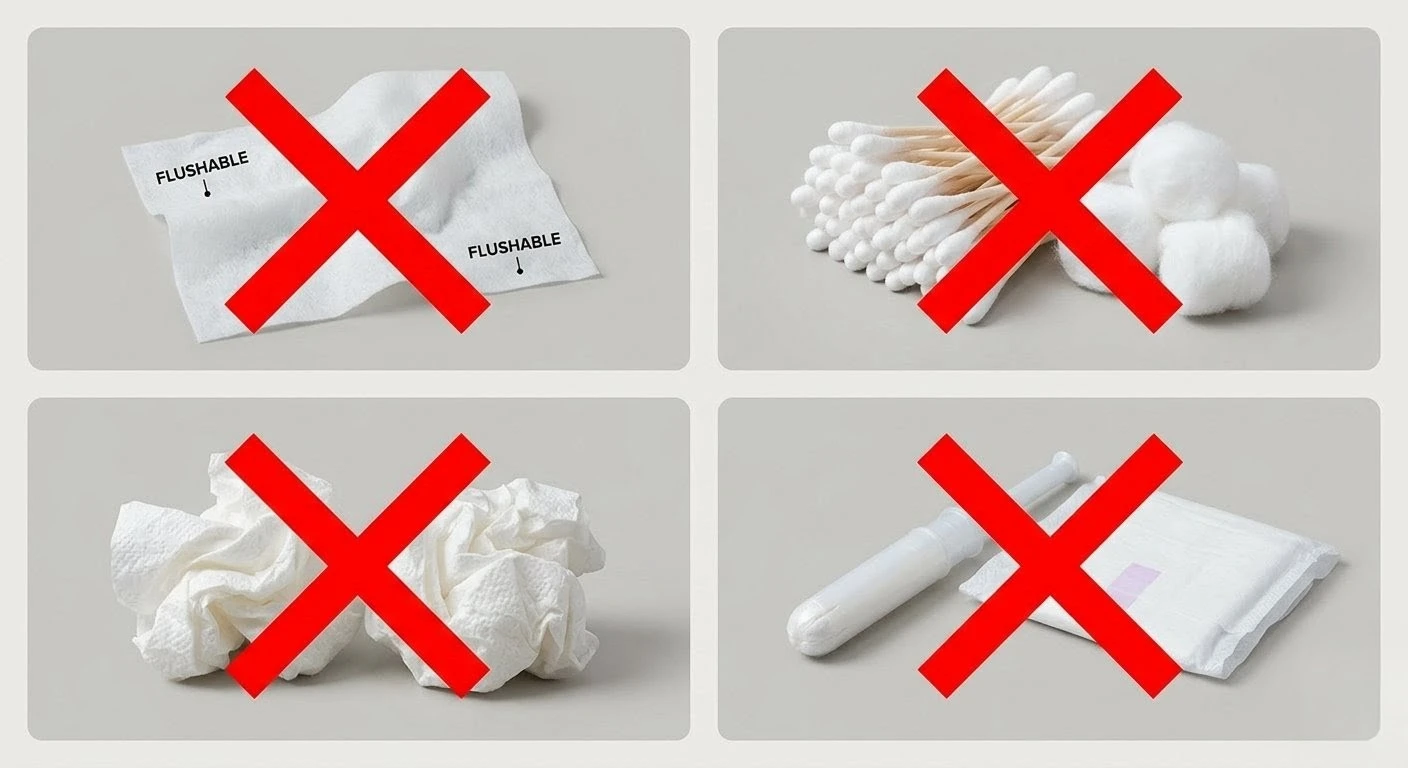
Toilets clog for different reasons than sinks. Toilet paper and waste are what the system is designed to handle. Wipes, paper towels, hygiene products, cotton swabs, and other “flushable” items are where problems start. Even products labeled flushable can still create blockages in home plumbing and sewer systems.
If your toilet clogs often, bubbles when nearby water is running, or seems connected to backups in the shower or tub, that can point to a larger drain or sewer issue. At that stage, the problem is less about one toilet and more about how wastewater is moving through the home’s system overall.
How Do I Know Where the Clog Is?
Where a drain clog is located often depends on how many fixtures are affected and what happens when you use them. A single slow-draining sink, shower, or tub usually points to a clog near that fixture. When several drains start acting up at the same time, the problem may be farther down the plumbing system or in the main sewer line.
| What You’re Noticing | What It Could Mean |
|---|---|
| One bathroom sink is draining slowly | Hair, soap residue, toothpaste buildup, or a clog around the stopper or P-trap |
| Kitchen sink drains slowly | Grease, food debris, or buildup in the kitchen drain line |
| One shower or tub drains slowly | Hair and soap buildup near the drain or farther down the line |
| Several drains are slow at the same time | A blockage in a shared drain line or the main sewer line |
| Toilet bubbles or gurgles when another fixture drains | Air may be trapped by a blockage deeper in the drain or sewer system |
| The same drain keeps clogging again | The blockage may not have been fully removed or there may be buildup deeper in the pipe |
| Sewage odors appear with multiple slow drains | A deeper drain or sewer-line problem may be affecting how wastewater is moving through the home |
One of the biggest clues is whether the problem affects just one fixture or several. If only your bathroom sink is slow, for example, the clog may be close to the stopper or P-trap. If your kitchen sink, shower, and toilet all begin draining slowly around the same time, the problem is more likely to be in a shared drain line or the home’s main sewer line.
Pay attention to other warning signs, too. Gurgling drains, toilets bubbling when another fixture is used, sewage odors, recurring clogs, or water backing up into a shower or tub can indicate that the problem is deeper than a simple surface clog. In those situations, a sewer and drain camera inspection can help locate the blockage and determine what is causing it before the problem gets worse.
Can I Unclog a Slow Drain Myself?
For a simple clog, start with the basics. A plunger can work well when the blockage is still relatively close to the fixture. In bathroom drains, removing the stopper and clearing trapped hair is often the fastest first step. A drain stick or small hand auger can also help with shallow clogs in sinks, tubs, and showers.
Hot water can sometimes help loosen light soap or grease buildup, and some homeowners try a baking soda and vinegar rinse for a mild slow drain. But that approach is better for light maintenance than for a serious blockage. If you have already tried the simple fixes and the drain is still slow, repeating the same DIY step over and over usually just wastes time while the clog gets worse.
One important caution: be careful with chemical drain cleaners, especially if you are thinking about mixing products or using them again and again on an older line. Mixing drain cleaners can create toxic fumes, and chemicals may not be suitable for older or corroded pipes. If you are not seeing improvement after basic DIY steps, it is usually better to stop before the issue gets worse.

When Should I Call a Plumber for a Clogged or Slow Drain?
A single slow fixture can be a local clog. Multiple slow drains at once usually mean something more serious. If the shower backs up when the toilet flushes, if several fixtures are draining slowly together, or if you notice sewage smells, gurgling, or recurring backups, the problem may be in the main sewer line. Tree roots, heavy grease buildup, and larger blockages are all possible causes.
This is where professional drain cleaning matters. AYS Plumbing & Rooter offers drain cleaning, sewer and drain camera inspection, and hydro jetting in Upland and nearby communities. That matters because the right solution depends on what is actually inside the pipe and how far the problem extends. A camera inspection helps identify the issue, and hydro jetting can thoroughly clear buildup when a basic unclog drain approach is not enough. AYS says it has more than 20 years of combined experience and serves Upland plus surrounding areas across the Inland Empire and nearby cities.
If your drains are clogged, draining slowly, or backing up repeatedly, do not wait for a small issue to turn into a bigger plumbing problem. Call AYS Plumbing & Rooter at (909) 316-3535 or request an appointment online.
Frequently Asked Questions About Slow and Clogged Drains
Why Is My Sink Draining Slowly but Not Completely Clogged?
A sink can drain slowly when buildup has narrowed the inside of the drain pipe without blocking it completely. In bathroom sinks, hair, soap residue, and toothpaste are common causes. Kitchen sinks often slow down because of grease and food debris. A slow drain is often an early warning that a more complete clog is beginning to form.
Can a Slow Drain Eventually Become Completely Clogged?
Yes. Many clogged drains begin as slow drains. Hair, grease, soap, food debris, and other materials can gradually collect inside the pipe, leaving less room for water to pass through. If the buildup continues, the opening can eventually become restricted enough that water barely drains or stops moving altogether.
Why Are Multiple Drains in My House Draining Slowly?
If several drains become slow at the same time, the blockage may be deeper in your plumbing system rather than at one individual fixture. A clogged branch drain or main sewer line can affect multiple sinks, toilets, tubs, or showers. Gurgling, sewage odors, or water backing up into another fixture are additional signs that the problem may involve the main drain or sewer line.
Does Baking Soda and Vinegar Actually Unclog a Drain?
Baking soda and vinegar may help with light residue or odors, but they are unlikely to clear a significant drain blockage. Hair, compacted grease, food debris, roots, and deeper clogs usually require physical removal or professional drain cleaning. If a drain remains slow after basic maintenance, repeatedly pouring products into it may not address what is actually causing the blockage.
When Is a Slow or Clogged Drain a Plumbing Emergency?
A single slow drain usually is not an emergency, but sewage backing up into a tub, shower, sink, or other fixture needs prompt attention. Multiple drains backing up at once, overflowing wastewater, strong sewage odors, or toilets that will not drain can also signal a serious sewer or drain problem. Stop using affected fixtures and contact a plumber before additional wastewater enters the system.